

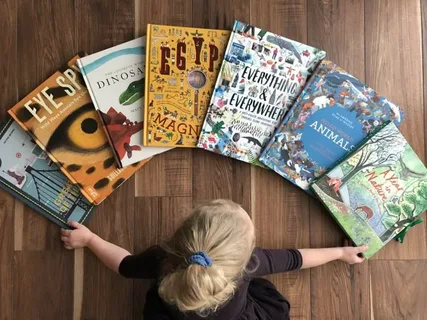
In an age where screens compete for children’s attention at every turn, books remain one of the most powerful tools for learning, creativity, and emotional development.
While technology offers many benefits, the value of books for kids continues to stand the test of time. From building literacy skills to encouraging imagination, reading plays a vital role in helping children grow into confident and capable individuals.
Whether it’s a colourful picture book, an adventurous chapter novel, or a humorous story that sparks laughter, the right book can leave a lasting impact on a child’s life.
The Importance of Early Reading Habits
Research consistently shows that children who are exposed to books from a young age develop stronger language and communication skills.
According to the Australian Institute of Health and Welfare, nearly four in five Australian children aged 0–2 are regularly read to by a parent or caregiver, highlighting the importance families place on early literacy. (AIHW)
Reading aloud introduces children to new vocabulary, sentence structures, and concepts they may not encounter in everyday conversation. It also helps them develop listening skills and comprehension, laying the foundation for future academic success.
Beyond educational benefits, reading together creates valuable bonding opportunities between parents and children. Shared reading experiences foster connection, comfort, and positive associations with books that can last a lifetime.
Research from Western Sydney University also notes that reading aloud supports language development while helping children develop a genuine love of reading. (Western Sydney University)
How Books Support Child Development
Books do far more than teach children how to read. They help young readers understand the world around them and develop essential life skills.
Some key benefits include:
- Expanding vocabulary and language skills
- Improving concentration and attention span
- Encouraging empathy and emotional intelligence
- Developing creativity and imagination
- Strengthening critical thinking abilities
- Building confidence through independent learning
Stories introduce children to different cultures, perspectives, and experiences. Through characters and narratives, kids learn about friendship, kindness, resilience, and problem-solving in a safe and engaging way.
Choosing the Right Books for Different Ages
Selecting age-appropriate books helps children stay engaged and excited about reading.
Babies and Toddlers
Young children benefit from:
- Board books with sturdy pages
- Bright illustrations
- Rhyming stories
- Interactive books with textures or flaps
At this stage, repetition is valuable because it helps children recognise words and patterns.
Preschoolers
Preschool-aged children often enjoy:
- Picture books with engaging illustrations
- Humorous stories
- Simple educational themes
- Books that encourage participation
Reading aloud remains particularly important during these years as children build vocabulary and listening skills.
Early Primary School Children
As children begin reading independently, look for:
- Beginner readers
- Adventure stories
- Animal-themed books
- Books with relatable characters
Providing books that align with a child’s interests can significantly increase their enthusiasm for reading.
Older Children
For older readers, consider:
- Chapter books
- Fantasy and adventure series
- Historical fiction
- Science and nature books
Giving children more choice over what they read can help foster a lifelong reading habit.
The Role of Fun and Humour in Reading
One of the most effective ways to encourage children to read is to make it enjoyable. Funny books often become favourites because they create positive associations with reading.
Humorous stories can be especially helpful for reluctant readers, transforming reading from a school task into a source of entertainment. Books that make children laugh encourage them to return to reading again and again.
A wonderful example is thelma the unicorn, a beloved story that combines humour, imagination, and an uplifting message. Stories like these show children that reading can be both meaningful and fun.
Why Reading for Pleasure Matters
While reading proficiency is important, developing a genuine love of reading may be even more valuable in the long term.
According to Australia Reads, 74% of children say that reading fiction and non-fiction helps them better understand the world around them. The organisation also reports that 86% of Australian children aged 6–17 enjoy having books read aloud at home. (Australia Reads)
Children who read for pleasure are more likely to:
- Read more frequently
- Expand their vocabulary naturally
- Perform better academically
- Develop stronger comprehension skills
- Continue reading into adulthood
Importantly, reading for enjoyment helps children view books as a source of entertainment rather than simply an educational requirement.
Creating a Reading-Friendly Environment at Home
Parents and caregivers play a major role in nurturing a child’s interest in books.
Simple ways to encourage reading include:
- Establishing a daily reading routine
- Visiting local libraries regularly
- Allowing children to choose their own books
- Reading together before bedtime
- Keeping books visible and accessible throughout the home
Even just 15–20 minutes of daily reading can make a significant difference over time.
Children are also more likely to become readers when they see adults enjoying books themselves. Modelling positive reading habits sends a powerful message that reading is valuable and enjoyable.
Final Thoughts
Books for kids remain one of the most effective ways to support learning, imagination, and personal development. While technology continues to evolve, the simple act of sharing a story still offers benefits that no screen can fully replicate.
By providing children with engaging, age-appropriate books and making reading a regular part of family life, parents can help foster literacy skills, curiosity, and a lifelong love of learning. In a fast-paced digital world, books continue to open doors to creativity, knowledge, and endless possibilities for young minds.
Sources: Australian Institute of Health and Welfare, Australia Reads, and Western Sydney University research on children’s literacy and reading habits. (AIHW)
